
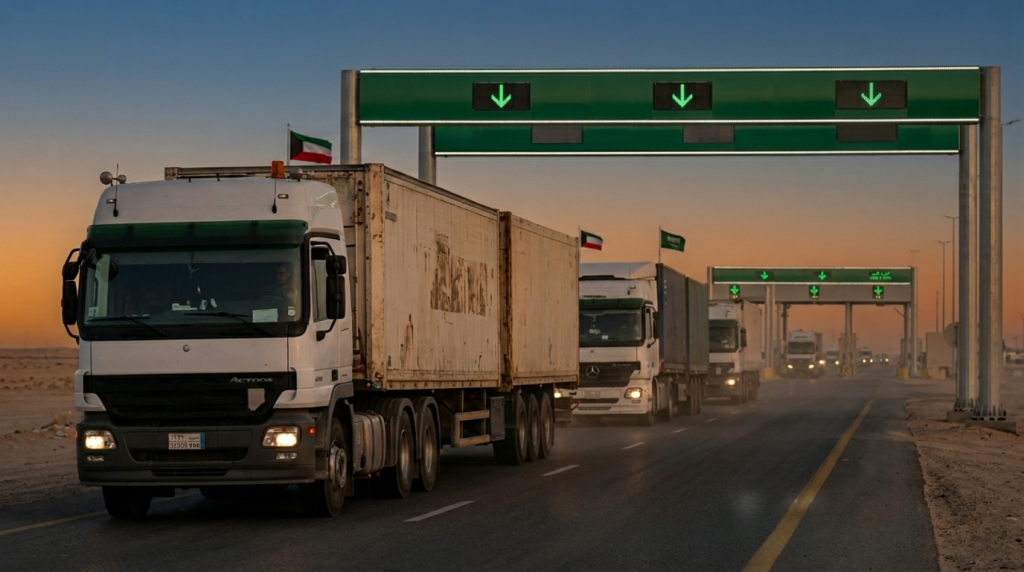
What we are seeing this April is more than a temporary disruption; it’s a fundamental shift in how Kuwait’s supply chain operates. Moving past the headlines, the focus has shifted to building a logistics model that actually holds up under pressure. The priority now is practical: identifying the core changes that keep the local market stable when everything else is in flux.
The Strategic Pivot: The Saudi Land Bridge
The most critical development we are witnessing is the fundamental shift in our supply chains. With maritime routes facing increased complexity and rising insurance costs, the land bridge through the Kingdom of Saudi Arabia has evolved from a secondary option into a vital strategic lifeline.
While the coordination at our borders is a significant achievement in regional integration, the true success of this land-based flow relies on the continuous optimization of customs clearance velocity. This transition is what ensures essential goods remain available on our shelves, bypassing the unpredictability of sea routes. However, the next phase must focus on full digital data exchange at the borders to ensure that “border-time” does not become the new bottleneck.
Proactive Governance & Market Stability
Stability during uncertain times does not happen by accident; it requires firm and proactive governance. The recent decision by local authorities to regulate the sale and use of specific commercial technologies, such as drones, is a necessary security-first measure. These steps reflect a clear priority: maintaining public safety and a stable operational environment, which eventually paves the way for automated warehouse security and advanced monitoring of logistics hubs.
Equally vital is the government’s oversight of logistics costs. By monitoring price caps, the Ministry of Commerce is ensuring a balanced marketplace. This proactive stance effectively prevents artificial inflation, protecting both the merchant and the consumer while acknowledging the realities of increased land-freight overheads in a volatile global economy.
The New Standard: Agility & PACI-Level Precision
Traditional procurement is no longer enough. The current market demands a much faster, more agile approach where logistical hurdles are met with immediate alternatives. This is where technology meets the road.
Integrating PACI-level geospatial data into our supply chain is no longer optional; it is the only way to ensure that inventory velocity matches consumer demand. By utilizing precise mapping to manage the “Last Mile” from strategic hubs in areas like Sulaibiya and Subhan, we are building smarter supply networks that prioritize reliability regardless of external challenges.
Beyond the Crisis: A Permanent Strategic Shift
This reliance on the Saudi land bridge is far more than a temporary fix; it represents a long-term strategic partnership that is redefining Kuwait’s trade connectivity. By integrating our logistics with the Kingdom’s advanced infrastructure, we are creating a more resilient supply corridor that balances maritime risks with land-based speed.
Final Thought
Resilience in 2026 is not defined by the absence of challenges, but by the speed and intelligence of our response to them. At Kuwait Mart, we believe that by leaning into regional partnerships, supporting strong local regulations, and embracing data-driven logistics, Kuwait continues to demonstrate that its marketplace is built to endure and thrive.
References & Official Sources:
- Ministerial Resolution No. 31/2026: Kuwait’s Ministry of Commerce and Industry issued this resolution prohibiting the sale and trading of drones to regulate the market amid security considerations. View Official Source (Arab Times)
- Customs Emergency Rerouting Plan: Kuwait’s General Administration of Customs has activated a plan rerouting cargo through land corridors across GCC states to sustain supply chains. View Logistics Update (Logistics Middle East)
- Market Stability & Price Control Mandate: A ministerial decree has been issued fixing maximum selling prices for food commodities to prevent unjustified hikes during the crisis. View Regulatory News (LexisNexis)
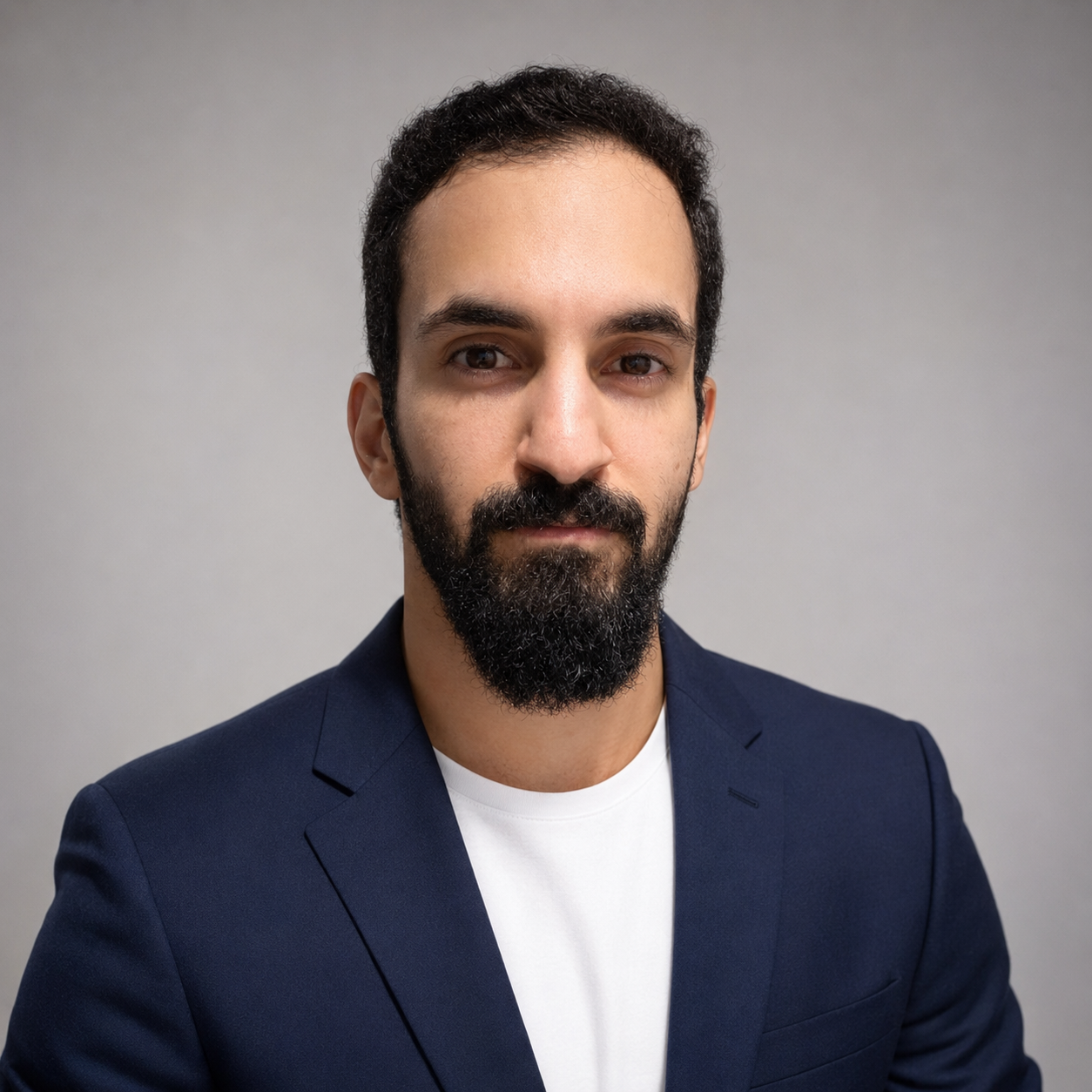
Co-Founder & CEO of Kuwait Mart. An Electrical Engineer focused on building scalable e-commerce operations and driving digital growth in the Kuwaiti market.